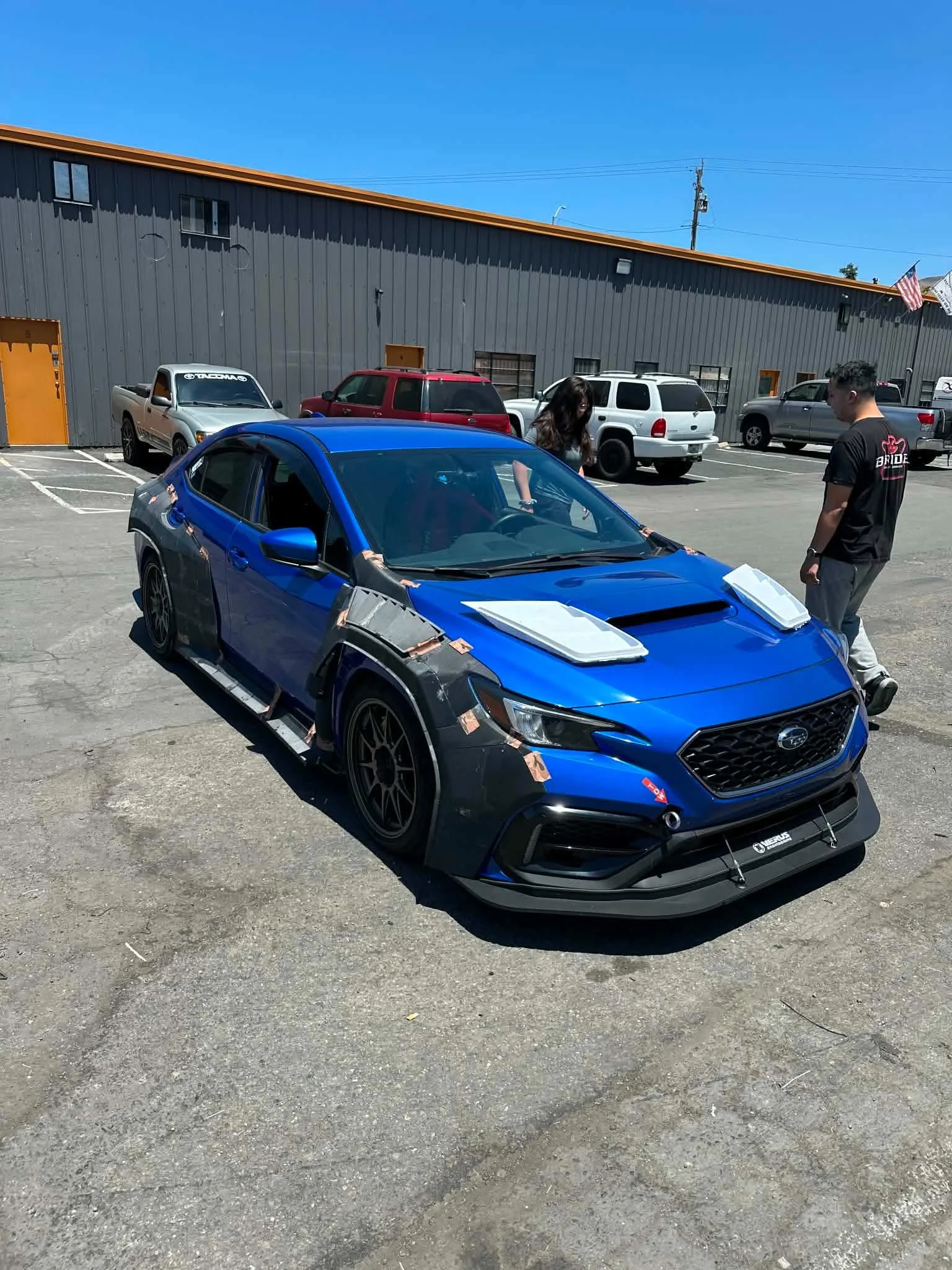
At Illumaesthetic, we sell automotive lighting kits, gauge faces, bodywork, and 3D scan data. We also help customers with scanning, CAD, reverse engineering, 3D printing, and custom engineering projects.
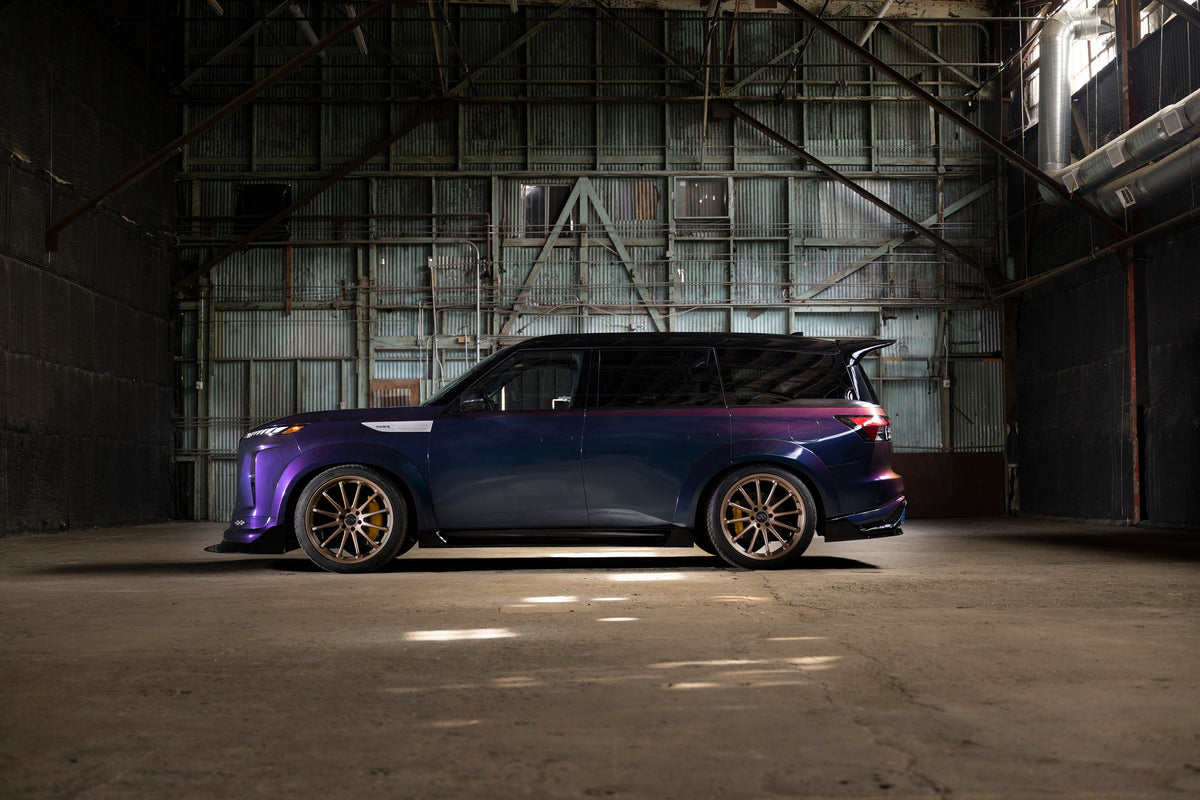

JUSTIN WANG · SELECTED WORK FOR ANTHROPIC
I’m a mechanical engineer and engineering manager who builds tools and uses AI agents across the daily work of a small business—from engineering and production to purchasing, fulfillment, and media.
My experience spans electric vehicles, semiconductor equipment, additive manufacturing, and customer hardware delivery. I translate real shop requirements into Claude-assisted workflows, then review the results against physical constraints and engineering references.
Print Farm Manager · Project lead
I led requirements, real-device testing, and deployment of a Claude Code-built dashboard used daily by all three engineers. It unifies Bambu Lab and Creality printers, chamber heaters, cameras, error reporting, and completion timelines so the team can plan production at a glance.
Integration: Python/FastAPI, MQTT/TLS, WebSocket/Moonraker, and camera streams.
Reliability: Stale-data detection, reconnect handling, and regression checks based on real device captures; the project’s test run recorded 232 passing tests.
Engineering judgment: Read-only heater monitoring, no stop button, and pause/resume only where supported and verified against device state.
Claude Code generated the software; I directed the operational requirements, testing, and deployment. The dashboard runs as conventional software, with no LLM required at runtime.
STL-to-STEP reverse engineering · Shared project
We capture real hardware with 3D scanners and reconstruct the STL meshes into STEP CAD. I contribute reference examples and engineering feedback, and modify comparison views and deviation heatmaps to identify regions needing revision.
Turnaround: About one week previously, now a few hours including engineering review and revisions.
Customer outcome: Customers accepted the reconstructed models and manufactured parts from them.
Validation: Scan overlays, deviation heatmaps, engineer-produced reference models, OpenCascade B-rep geometry, STEP checks, and a human delivery-review gate.
This is a shared workflow with my business partner. My contribution centers on engineering examples, review, feedback, and comparison tooling.
Purchasing and fulfillment
Claude-assisted tools connect inventory, outstanding orders, BOM information, and vendor purchasing requirements. Three staff use the purchasing tools daily, with human review before supplier commitments.
GPU rendering and media · Project lead
I lead GPU rendering workflows that turn existing 3D models, scans, and CAD assets into promotional reels and product-listing media, connecting engineering assets with customer-facing content.
Physical delivery
Our work reaches beyond digital outputs: customer coin ramps and placards were delivered and installed on an accelerated schedule to meet a senior-leadership site visit.
Translate hardware and shop-floor problems into actionable tool requirements.
Use Claude to build and iterate, then apply engineering judgment to validate outputs.
Connect existing systems and data rather than requiring teams to replace their workflows.
Help engineers and technicians adopt useful tools in daily operations.
Explain what works, what needs review, and where the system’s limits remain.
Mechanical engineering · 10 years
Electric drivetrain design and testing, semiconductor equipment, CAD, CMM inspection, GD&T, additive manufacturing, and vendor coordination.
University of California, Berkeley
B.S. Mechanical Engineering, 2016 · Formula SAE · Berkeley UAVs
Justin Wang · Mechanical engineer
I work at a small business, where I build tools and use agents for everything from running our print farm to purchasing parts and making videos.
I lead our print farm and GPU rendering workflows. I also work with my business partner on reverse engineering, giving Claude examples and engineering feedback and improving the tools we use to check the results.
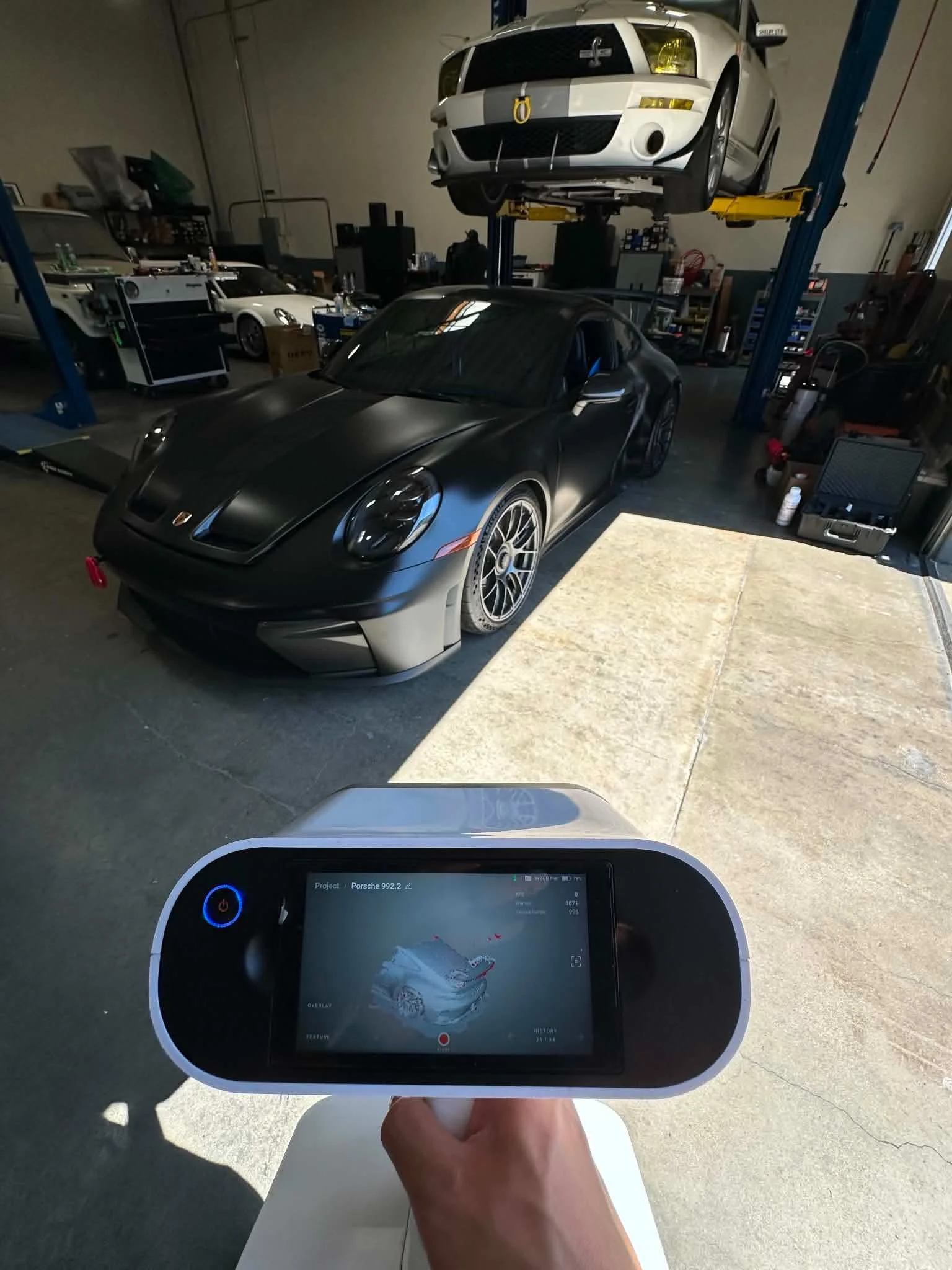
I work across Illumaesthetic and Epsilon+ Aerodynamics. Together, the two businesses bring in roughly $1 million in revenue each year.

At Illumaesthetic, we sell automotive lighting kits, gauge faces, bodywork, and 3D scan data. We also help customers with scanning, CAD, reverse engineering, 3D printing, and custom engineering projects.

At Epsilon, we design and sell aftermarket automotive aero parts and body kits. The work covers product design, coordinating with machine shops and paint vendors, and getting finished products to customers.

Print Farm Manager · I lead this project
We have a mix of Bambu Lab and Creality printers, plus third party external chamber heaters. I wanted one place to check all of them.
The dashboard shows what’s printing, when it will finish, and whether it needs filament. Errors appear over the camera thumbnails, so we can see the error and the print together.
The timeline helps us decide when to start another job and when we can leave for the day. All three engineers use it daily across 18 printers.
I set the requirements, tested it on our equipment, and worked with Claude Code to build and deploy it.
Python / FastAPI · MQTT with TLS · WebSocket / Moonraker · Camera feeds
Claude wrote the code; the dashboard itself runs without an LLM. The recorded test run passed 232 tests. External heater status is read only. Pause and resume are only available where the printer supports them and confirms the change.
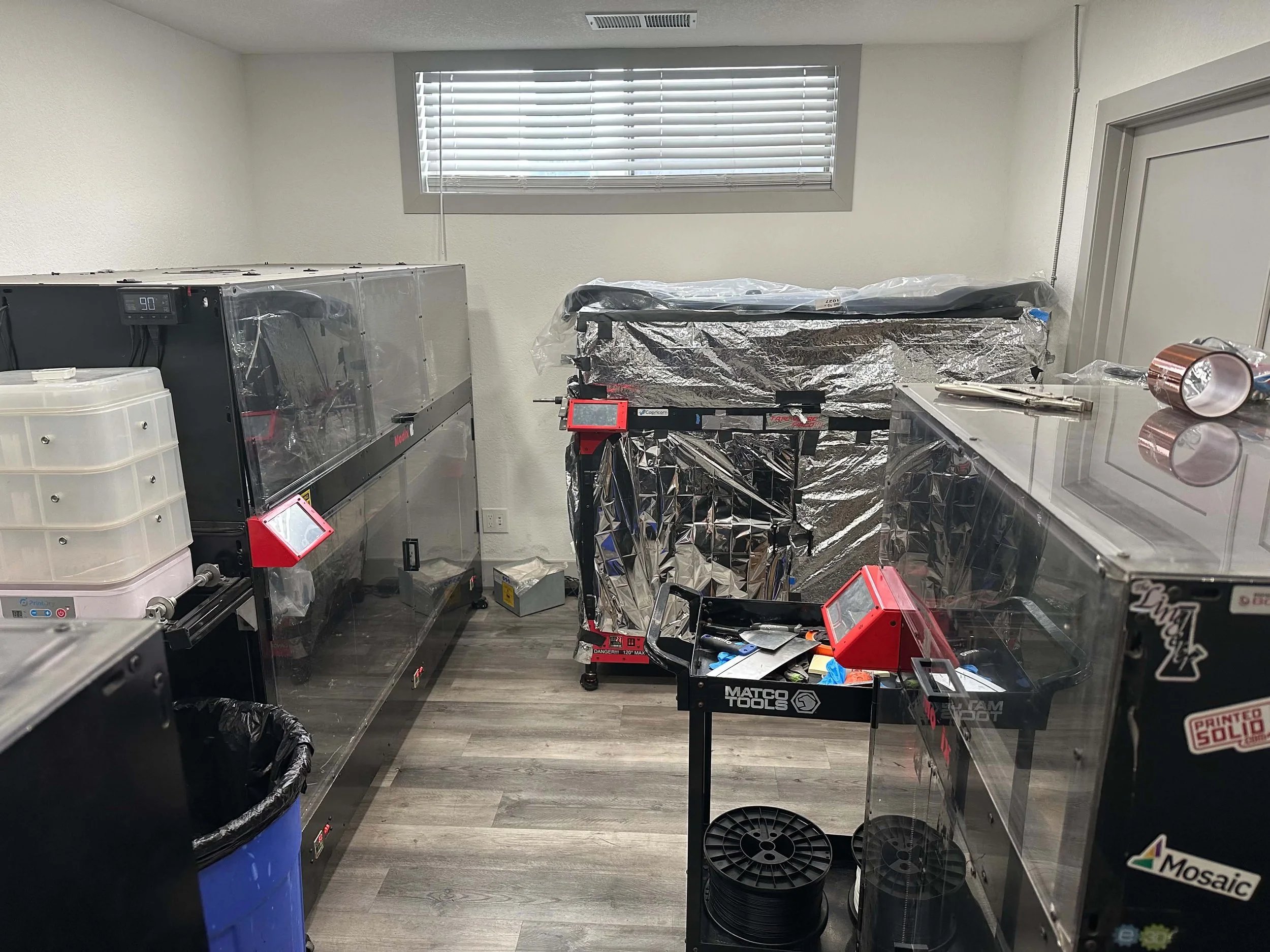
Reverse engineering · Shared with my business partner
Customers bring us parts and vehicles to scan. The scanner gives us an STL mesh, but they often need STEP CAD they can work with.
My partner and I built a workflow with Claude for that. I feed it examples, explain features that need to be reconstructed, review revisions, and modify the comparison tools. We use overlays and heatmaps to see where the CAD is off.
Work that previously took weeks now takes a few hours, including our review and revisions. Customers have accepted the files and made parts from them.
Real scan data · STL to STEP · Scan overlays · Deviation heatmaps
We compare the results with the original scans and previous models made by an engineer. The STEP files go through our checks and review before delivery.
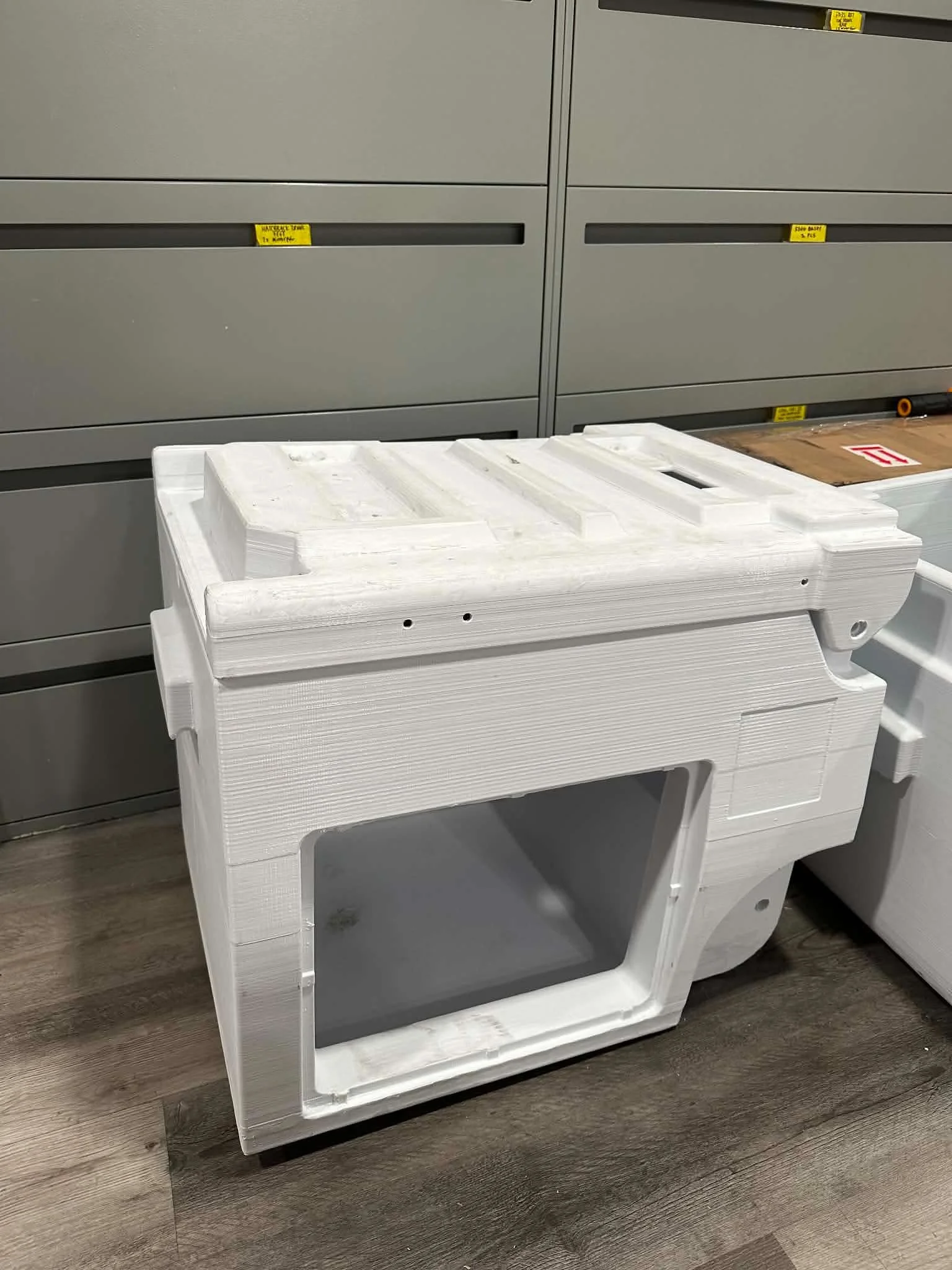
We use Claude to look through inventory and outstanding orders, figure out what we need from vendors, and prepare POs. Three people use the purchasing tools every day.
Instead of checking Shopify and searching through files one at a time, we can ask for what we need. We still check the output and approve the POs ourselves.
We edit videos every day. I lead the GPU workflow that turns our models, scans, and CAD into reels and product listing media.
Moving from cloud computing to our in house GPUs saves around 30 hours of rendering time per day.
Before this, I worked on EV drivetrain design and testing and semiconductor equipment. My work has included CAD, CMM inspection, GD&T, additive manufacturing, and coordinating with vendors.
B.S. Mechanical Engineering, UC Berkeley, 2016.
I give Claude something to compare against: a scan, an existing model, or an example we know is right. Then we check what it produced and revise it.
I also show our engineers and technicians how to use the tools, ask for their feedback, and use it to make the tools better.
My resume covers the engineering experience behind these projects.